

Lifestyle-First Design: An Interior Designer’s Guide to Personalised Spaces
This comprehensive guide explores lifestyle-first design principles, showing how top interior designers in Singapore create personalised spaces that reflect individual needs, habits, and aspirations. Discover practical strategies for tailoring homes to modern living— from multifunctional rooms to sustainable choices—and learn how to collaborate effectively with an interior designer in Singapore. The blog includes real-world examples, common pitfalls to avoid, and three FAQs to help you embark on your own transformation journey.
Lifestyle-First Design: An Interior Designer’s Guide to Personalised Spaces
In the bustling city-state of Singapore, where space is at a premium and lifestyles are diverse, interior design has evolved beyond mere aesthetics. Lifestyle-first design prioritises the homeowner’s daily routines, family dynamics, and future aspirations, crafting spaces that enhance wellbeing rather than dictate it. For busy professionals, growing families, or retirees seeking comfort, partnering with a skilled interior designer in Singapore ensures every square metre serves a purpose. This approach transforms standard HDB flats, condominiums, or landed homes into sanctuaries that feel intuitively right.
Understanding Lifestyle-First Design
At its core, lifestyle-first design begins with deep listening. An experienced interior designer in Singapore starts by mapping out a client’s “lifestyle blueprint”—their work-from-home habits, cooking frequency, entertainment preferences, and even pet needs. Unlike cookie-cutter renovations, this method customises layouts, materials, and features to align with real-life flow. In Singapore’s compact residences, where HDB rules limit structural changes, clever zoning and multifunctional elements become game-changers, maximising utility without compromising style.
Consider a young couple in a 4-room HDB flat: their designer might convert a corner into a hybrid home office-cum-guest space with foldable desks and Murphy beds. For multigenerational households common in Singapore, open-plan kitchens flow seamlessly into living areas, fostering family bonding while accommodating elderly mobility with wider walkways and grab rails.
Assessing Your Lifestyle Needs
The first step involves a thorough consultation. Leading interior designers in Singapore use questionnaires, home tours, and even mood boards to uncover priorities. Key questions include: How many hours do you spend cooking? Do you host frequent gatherings? Is remote work a staple? From here, designers categorise needs into zones—relaxation, productivity, nourishment, and play—ensuring balance.
In Singapore’s tropical climate, ventilation and natural light are non-negotiable. Designers incorporate cross-breezes via strategic window placements, sheer curtains for glare control, and biophilic elements like indoor plants to combat urban stress. For tech-savvy clients, integrated smart home systems—automated lighting, voice-controlled blinds—blend invisibly, enhancing convenience without visual clutter.
Explore More : 2025 Singapore Residential Design Trends: An Overview
Tailoring Spaces to Daily Routines
Kitchens: The Heart of Family Life
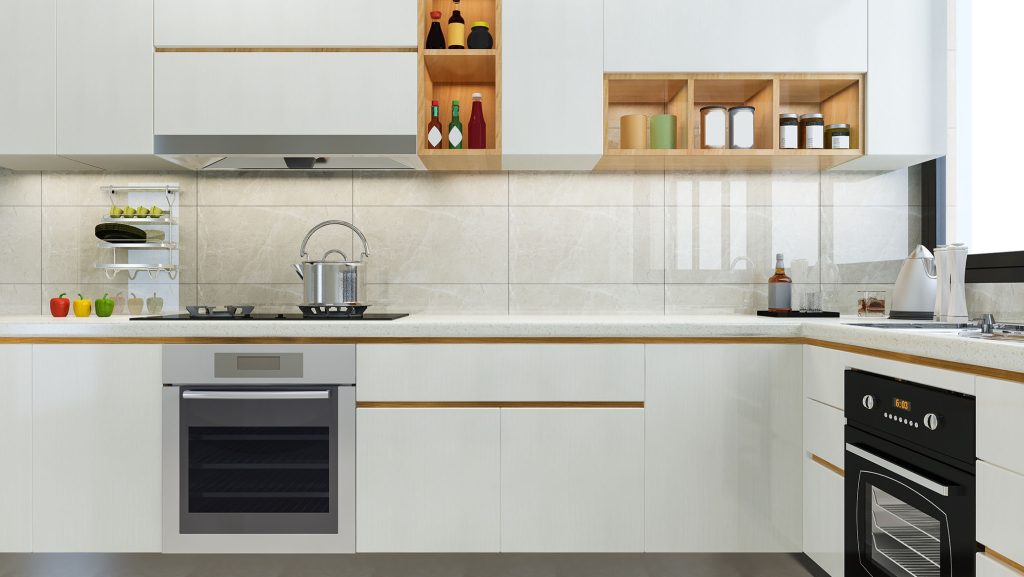
Kitchens often emerge as the epicentre of lifestyle design. For avid home cooks, an interior designer in Singapore recommends ergonomic “work triangles” with pull-out pantries, soft-close drawers, and induction hobs for safety. In smaller HDB kitchens, slimline appliances and wall-mounted racks reclaim counter space. Families with children might opt for child-safe locks and lower cabinets for easy access, turning meal prep into a shared joy.
Living Areas: Versatile Social Hubs
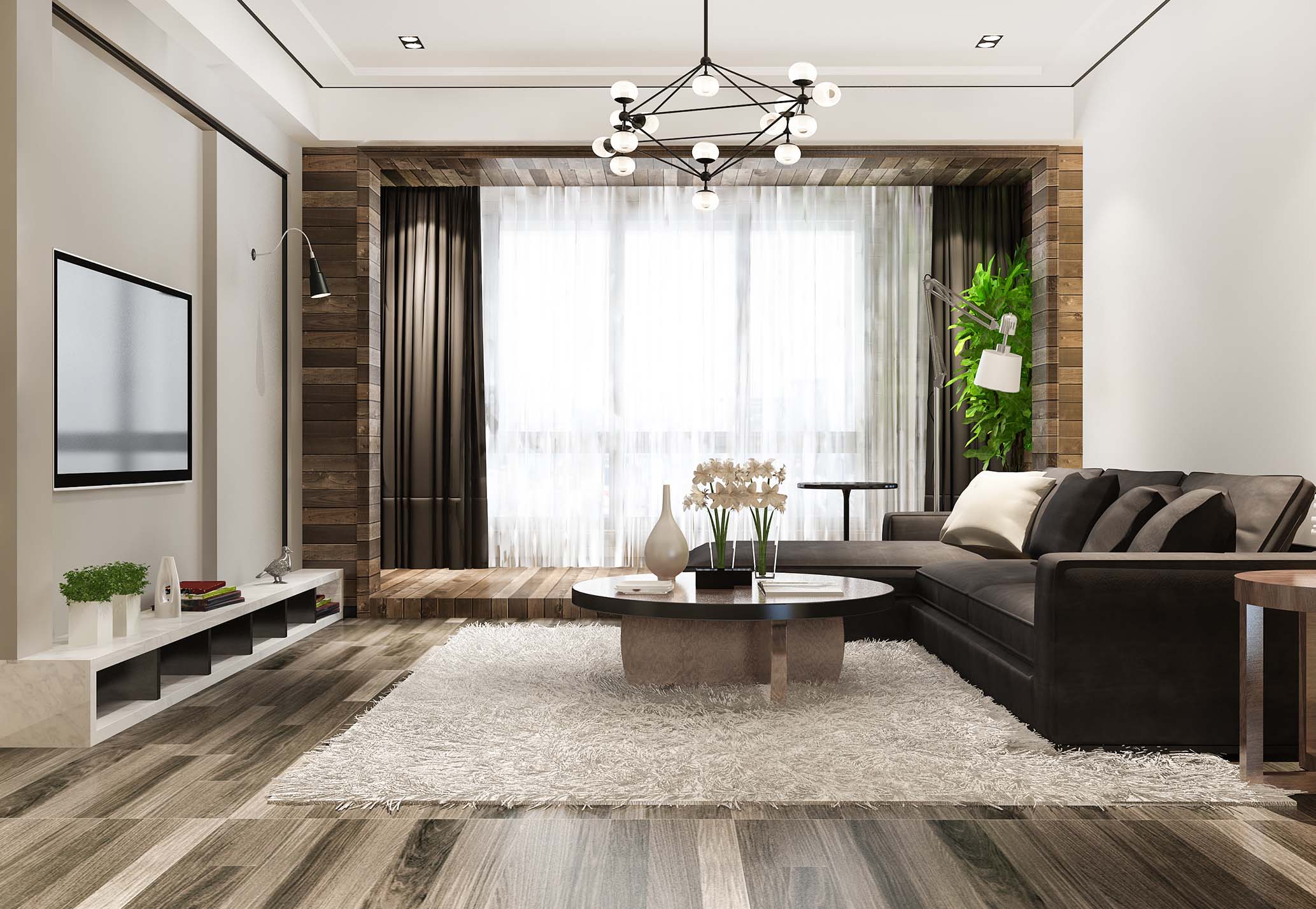
Open living spaces dominate Singaporean homes, but personalisation elevates them. Designers layer modular sofas for lounging or guest seating, coffee tables with hidden storage, and acoustic panels to muffle urban noise. For entertainment lovers, recessed AV cabinets house screens and speakers, while media walls double as display shelves for collectibles. In condos with balcony views, sliding glass doors merge indoors with outdoors, creating resort-like retreats.
Bedrooms: Sanctuaries for Rest and Rejuvenation
Sleep is paramount in high-stress Singapore. Interior designers prioritise blackout curtains, adjustable bed heights, and breathable fabrics like linen or bamboo. Wardrobes adopt “zero-waste” systems with pull-out hampers and jewellery trays. For couples with differing schedules, acoustic partitions or smart lighting with circadian rhythms promote undisturbed rest. Children’s rooms evolve with growth, featuring adaptable bunks that convert to desks.
Workspaces: Productivity in Compact Homes
Post-pandemic, home offices are essential. Designers carve nooks from underutilised spaces—alcoves, bay windows—with acoustic booths for video calls. Ergonomic desks, cable management, and greenery boost focus. In HDBs, fold-down walls hide offices during family time, embodying Singapore’s space-saving ethos.
Incorporating Sustainable and Smart Elements
Sustainability resonates with eco-conscious Singaporeans. Interior designers in Singapore source reclaimed wood, low-VOC paints, and recycled tiles, aligning with green building standards. Energy-efficient LED strips and solar-powered blinds cut utility bills. Smart tech—from app-controlled AC to water-saving faucets—future-proofs homes, appealing to millennials planning long-term residency.
Biophilic design draws nature indoors: living walls, pebble features, and water elements reduce anxiety. Textures like rattan or terrazzo evoke tropical heritage, blending seamlessly with modern minimalism.

Collaborating with Your Interior Designer in Singapore
Success hinges on clear communication. Share inspirations via Pinterest, discuss budgets upfront (typically SGD 800-1,500 per sqm for HDBs), and review 3D renders iteratively. Reputable designers, registered with CASE or HDB-licensed, handle permits, ensuring compliance with strata rules. Site visits during works maintain quality, with snagging lists post-completion.
Budget wisely: allocate 40% to carpentry, 20% to electricals, 15% to materials, and the rest to labour and contingencies. Timelines span 6-12 weeks for HDBs, factoring in wet works drying time.
Continue Reading : Revamping Interiors: The Best Renovation Trends from Leading Singaporean Companies
Common Pitfalls and How to Avoid Them
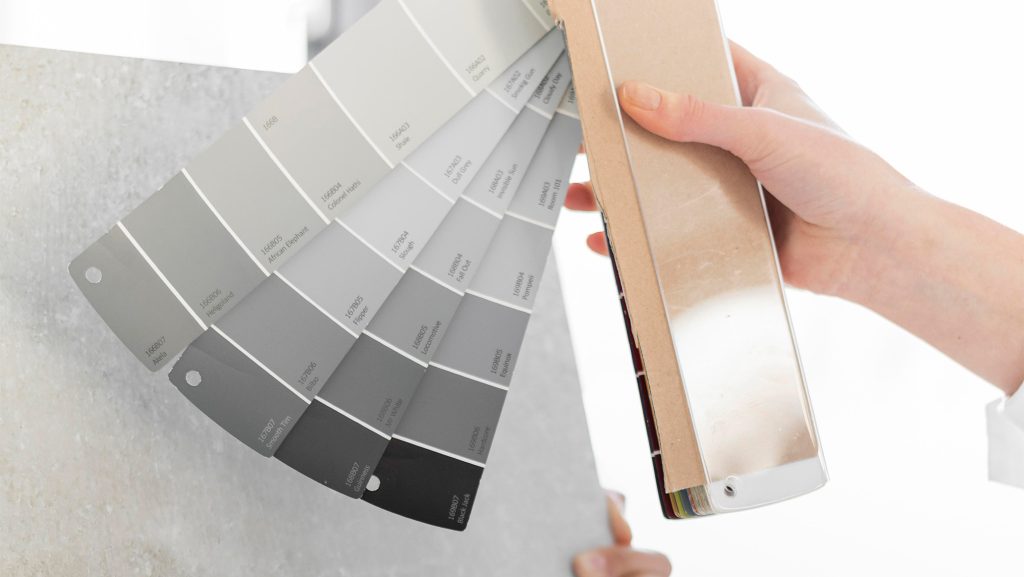
Rushing decisions leads to regrets—prioritise function over trends. Overlooking maintenance, like glossy finishes in humid Singapore, invites mould. Ignoring scalability means outgrowing spaces quickly. Designers mitigate this with modular furniture and neutral palettes that evolve with paint or accessories.
Trend-chasing fades; timeless design endures. Opt for quality over quantity—invest in durable joinery rather than fleeting decor.
The Future of Personalised Design in Singapore
As Singapore’s population densifies, micro-apartments and co-living rise, demanding ultra-adaptable designs. AI-driven tools predict needs from lifestyle data, while VR previews immerse clients. Wellness integration—aromatherapy vents, soundproofing—gains traction, reflecting holistic living.
Interior designers in Singapore lead this shift, blending Japaandi serenity with high-tech flair, ensuring homes nurture body, mind, and soul.

FAQs
Q1. How do I start working with an interior designer in Singapore for lifestyle-first design?
Begin with a free consultation to discuss your routine and vision. Provide floor plans, photos, and a wishlist. Expect mood boards and quotes within a week, followed by detailed proposals.
Q2. What is the average cost of hiring an interior designer in Singapore for a 4-room HDB?
Budget SGD 40,000-70,000 total, with design fees at 8-12% of renovation costs (SGD 3,000-8,000). Premium sustainable or smart features add 10-20%.
Q3. How long does a lifestyle-first renovation take in Singapore?
Typically 8-12 weeks, including approvals (2-4 weeks), works (4-6 weeks), and handover. HDB false ceilings or wet works extend timelines due to drying periods.
Conclusion
Lifestyle-first design turns houses into homes that evolve with you, courtesy of insightful interior designers in Singapore. By centring your habits, preferences, and dreams, these spaces foster joy, efficiency, and longevity. Ready to personalise yours? Engage a trusted professional today and step into a bespoke haven tailored just for you.