

2025 Singapore Residential Design Trends: An Overview
In 2025, Singapore’s residential interior design landscape is evolving rapidly — shaped by changing lifestyles, compact living spaces, and a growing emphasis on comfort, sustainability and smart living. This blog explores the most prominent design trends emerging this year: from warm minimalism and biophilic touches to multi-functional layouts, advanced smart home integration, and a resurgence of luxurious yet understated styling. We’ll look at how homeowners are balancing style, practicality and well-being — and what these shifts mean for designers and residents in Singapore’s urban homes. The article closes with three FAQs to help readers navigate modern design choices.
A New Chapter in Singapore Homes
Over the years, Singapore’s housing environment — whether HDB flats, condominiums, or landed properties — has come under increasing pressure from urban density, evolving family needs, and lifestyle changes. As remote work, flexible living, and wellness-driven lifestyles take hold, the way people design their homes must adapt accordingly. Residential interior design in 2025 is not only about aesthetics, but about creating spaces that support comfort, flexibility, and a better quality of life.
Designers and homeowners alike are responding with innovations that emphasise natural materials, thoughtful layouts, smart technologies, and a balance between individuality and practicality. Rather than extravagant décor or purely minimal spaces, the trend is shifting toward homes that feel personal, warm, and future-ready.
Warm Minimalism Meets Comfort
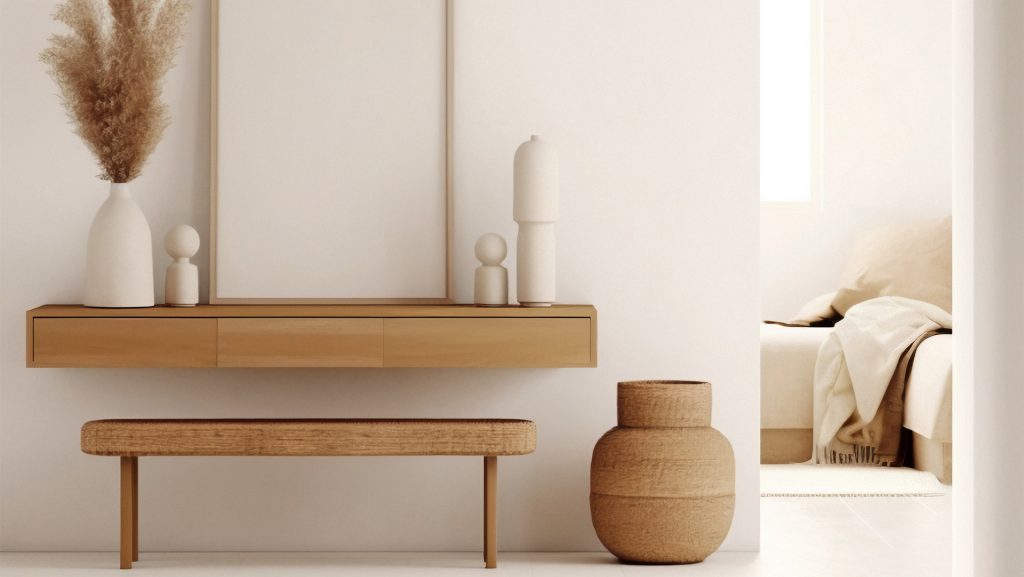
One of the strongest movements this year is a softer approach to minimalism. While the clean, clutter-free aesthetic stays popular, it’s evolving with warmer, more inviting colour palettes like sand, terracotta, muted olive, warm beige, and soft browns.
Whether you’re in a small apartment or a mid-sized condo, this “warm minimalism” helps create a calm, inviting environment — simple enough to feel modern, yet cosy enough to feel like home. Natural materials — light wood, woven textiles, linen or rattan — are often paired with these hues to amplify warmth and texture. The result is a contemporary yet unpretentious home that feels grounded and restful.
Learn More : How to Choose the Right Interior Designer in Singapore for Modern Homes
Flexible Spaces for Hybrid Living
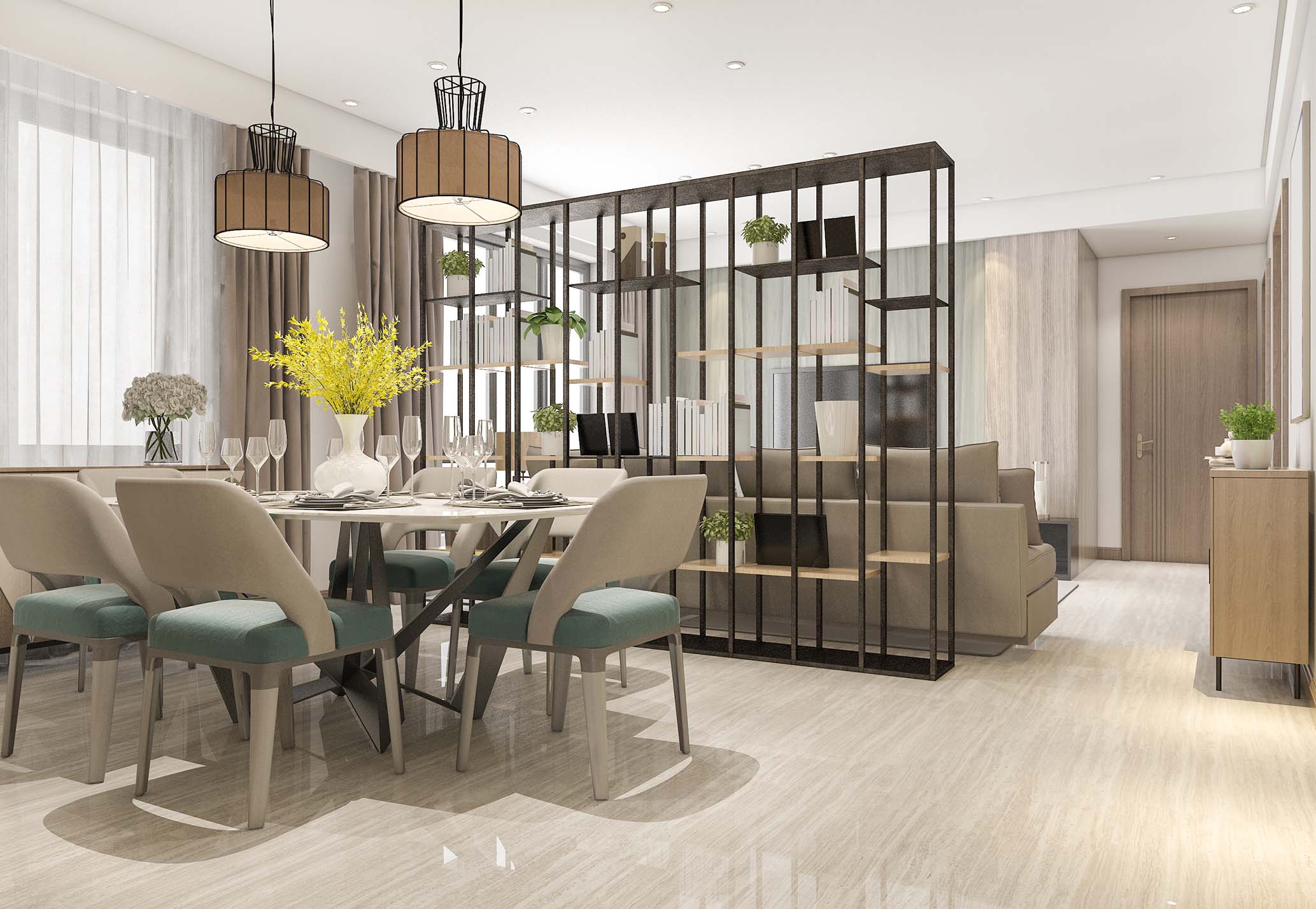
The rise of remote work, shifting routines, and multi-purpose living means more Singaporean homes need to do several jobs at once.Designers are adapting with versatile, modular layouts: sliding partitions for zoning work and rest spaces, integrated storage to maximise efficiency, and multifunctional furniture like foldable dining tables, Murphy beds, built-in benches, and smart storage nooks.
Instead of dedicating each square metre to a fixed purpose, these flexible interiors allow homes to transform throughout the day: a living room becomes a workspace, a guest room becomes a reading nook, or a dining area doubles as a study. This adaptability is especially valuable in compact flats, giving every corner a purpose without overcrowding.
Bringing Nature In: Biophilic and Eco-Conscious Design
2025 continues to see a surge in biophilic design — the idea that homes should connect us with nature. In Singapore’s compact urban landscape, fostering indoor natural sanctuaries has become essential. Modern interiors increasingly feature indoor plants, vertical green walls, abundant natural light, and organic materials such as wood and stone.
Homeowners are increasingly choosing eco-friendly, sustainable materials: reclaimed wood, low-VOC paints, recycled textiles, and sustainably harvested natural fibres. Such choices improve indoor air quality and give homes a more organic, grounded feel.Numerous design firms emphasise superior ventilation and optimal natural light, crafting spaces that feel breezy, vibrant, and serene.
Biophilic interiors not only look beautiful — they support mental well-being, offering a sense of calm and a connection to nature, which is particularly valuable in busy city life.

Smart Technology, Seamlessly Integrated
As Singapore accelerates toward smart-city living, residential interiors are keeping up. Houses and apartments now integrate technology with discretion. Smart lighting that adjusts based on time of day, voice-controlled appliances, hidden charging stations, automated blinds, and smart air-conditioning are no longer luxuries—they are expectations.
The key difference in 2025 is integration: tech is no longer tacked on, but embedded in design. Wiring is concealed, appliances blend with cabinetry, and control systems become part of the home’s structure. The result is a clean, uncluttered appearance coupled with high functionality. For busy professionals, families, or anyone valuing ease-of-use and modern comfort, these smart features elevate daily living.
Understated Luxury & Textural Elegance
While minimalism remains strong, a parallel trend is gaining ground: a refined, understated take on luxury. Rather than opulent chandeliers or flashy finishes, homeowners now favour quiet sophistication — high-quality materials, thoughtful detailing, and subtle touches that elevate a space without overwhelming it. Think plush fabrics, matte or brushed metals, velvets or bouclé upholstery, natural stone, and artisanal craftsmanship.
Textures and tactile elements add depth and warmth to otherwise minimal settings — a boucle sofa beside a raw timber table, or a micro-cement wall paired with soft linen drapes. These choices create a sense of richness that feels personal and enduring, rather than trendy or disposable.
This “quiet luxury” aligns well with the lifestyle of many Singapore residents who value quality, longevity, and understated elegance over fleeting décor fads.
Design That Responds to Singapore’s Realities
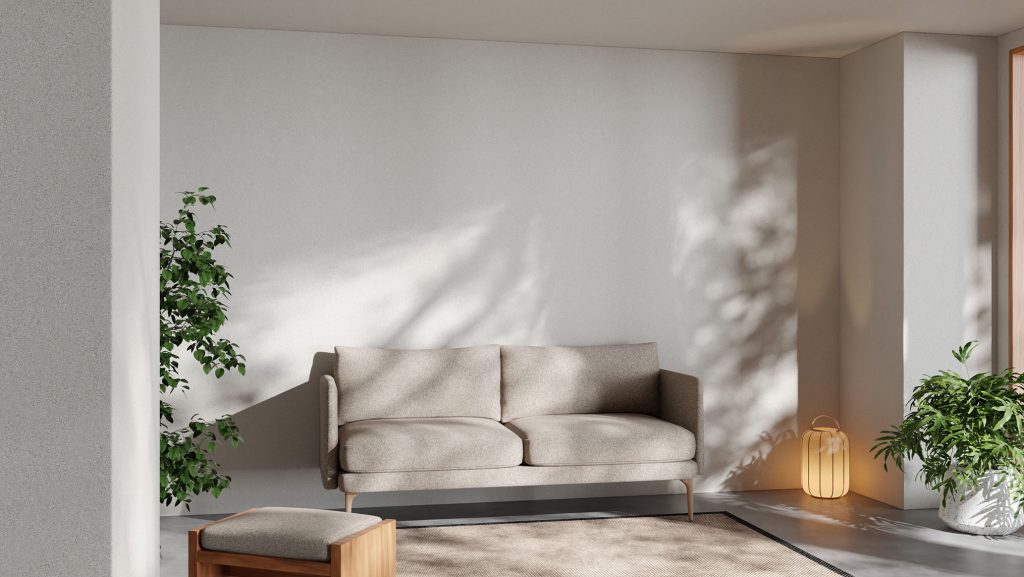
Design trends in 2025 are shaped not just by global aesthetics, but by the realities of urban life in Singapore: limited floor space, humid climate, compact layouts, and a fast-paced lifestyle.
Flexibility is key — homes need to adapt to changing use. Smart, sustainable materials help cope with humidity and environmental concerns. Biophilic design offers a respite from the city’s concrete and bustle. Smart home integration caters to busy routines, and quiet luxury offers comfort without ostentation.
Designers and homeowners are realising that truly beautiful interiors are those that work as well as they look.
Read the Full Guide : Lifestyle-First Design: An Interior Designer’s Guide to Personalised Spaces
Putting It All Together: Designing Your 2025 Singapore Home
If you’re planning a home refurbishment or a complete redesign, here are some guiding principles drawn from 2025’s strongest trends:
- Begin with a warm, neutral base: use soft earthy tones and natural materials as your foundation.
- Think multi-functional: design spaces that can shift between work, rest, play, and dining depending on the time of day.
- Introduce greenery thoughtfully: an indoor plant here, a vertical garden there, or a balcony converted to a mini-garden.
- Blend subtle luxury: select one or two high-quality textures or materials (velvet cushion, stone countertop, wood panel) to elevate the feel, rather than over-decorate.
- Incorporate smart features quietly: choose lighting, blinds, or appliances that integrate seamlessly into interiors.
- Prioritise sustainability: opt for eco-certified materials, recycled furniture, low-VOC paints, and ventilation that works with Singapore’s climate.
By weaving these ideas together, you can create a home that feels modern, comfortable, personal, and future-proof — in line with 2025’s leading residential interior design trends.

Frequently Asked Questions (FAQs)
Q1. Are these 2025 design trends suitable for small HDB flats and compact apartments?
Absolutely. Many of the trends — such as warm minimalism, multifunctional furniture, smart technology integration, and natural materials — are particularly well suited to smaller spaces. By focusing on clever spatial planning, flexible layouts, and thoughtful finishing touches, even small homes can feel spacious, modern and welcoming.
Q2. How can I make my home eco-friendlier without spending too much?
You don’t need to overhaul your home completely. Simple changes — like using low-VOC paint, opting for sustainable or recycled furniture, adding indoor plants, improving natural ventilation, and selecting energy-efficient appliances — can significantly reduce environmental impact and improve indoor comfort. Over time, these choices often pay off in energy savings and improved well-being.
Q3. Is smart home technology a trend or a long-term investment for Singapore homes?
Smart home integration is increasingly becoming an expectation rather than a novelty — especially for busy professionals and families. Because of Singapore’s high-tech environment and existing infrastructure, investing in smart lighting, automated blinds, climate control, and discreet tech integration is likely to remain relevant for years to come. When well installed, these features add convenience and improve home value over time.
Conclusion
2025 marks a thoughtful evolution in Singapore’s residential interior design — one that balances comfort, sustainability, flexibility, and subtle sophistication. Whether you’re renovating a compact flat or rethinking a family home, the current trends encourage practical beauty: homes that look good, feel good, and adapt to modern life.
By embracing warm minimalism, biophilic touches, smart technology, versatile layouts, and understated luxury, you can design a residence that’s not just trendy, but timeless — a true reflection of your lifestyle, values, and aspirations in 2025 and beyond.