

Interior Design and Renovation Trends in Singapore Homes (2026 Edition)
This blog explores the key interior design and renovation trends shaping Singapore homes in 2026. From evolving lifestyle needs and sustainable materials to smart-home integration and personalised design approaches, it highlights how modern homeowners are redefining living spaces. You will also discover why professional interior design services are becoming increasingly important, and how thoughtful renovation choices can enhance both comfort and long-term value. Three FAQs at the end address common homeowner concerns.
Introduction: How Singapore Homes Are Evolving in 2026
Singapore homes have always reflected the city’s fast-paced, forward-thinking lifestyle. As we step into 2026, the focus of interior design and renovation is no longer just about aesthetics—it is about creating adaptable, meaningful spaces that support modern living. With more people working remotely, prioritising wellness, and valuing sustainability, homes are evolving into multifunctional environments rather than static living areas.
Today’s homeowners expect interiors to reflect personal identity, accommodate changing routines, and remain timeless despite evolving trends. Renovation decisions are therefore more intentional than ever. Instead of frequent makeovers, homeowners are investing in designs that age gracefully, adapt easily, and offer long-term value. This shift is redefining how interior design and renovation are approached across Singapore.
Lifestyle-Driven Design: Homes That Adapt to Daily Life
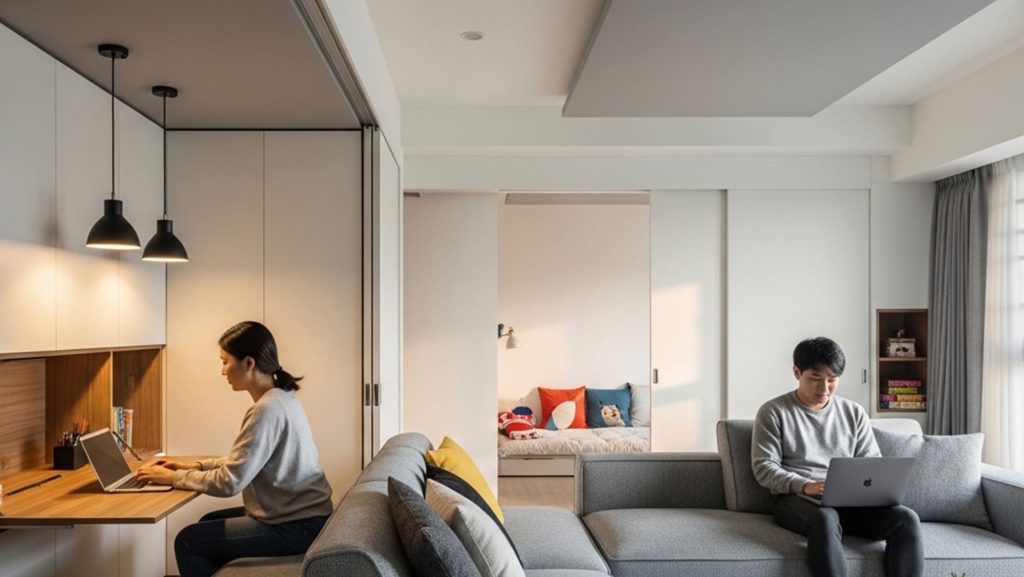
One of the strongest influences on interior design and renovation in 2026 is lifestyle flexibility. Homes are no longer designed purely for relaxation after work; they now support multiple roles throughout the day. Living rooms double as workspaces, bedrooms become study zones, and dining areas transform into social hubs.
Designers are responding by creating layouts that are fluid rather than rigid. Sliding partitions, concealed desks, and multi-functional furniture allow spaces to shift effortlessly between uses. Open layouts remain popular, but they are now paired with subtle zoning techniques such as lighting changes, flooring transitions, or ceiling treatments to ensure each area retains its identity.
This approach is especially relevant in Singapore, where space efficiency is crucial. Thoughtful interior design and renovation ensures that every square metre serves a purpose without feeling cramped or cluttered.
also read : Top Luxury Interior Design Tips For High-End Interiors
Warm Minimalism Takes Centre Stage
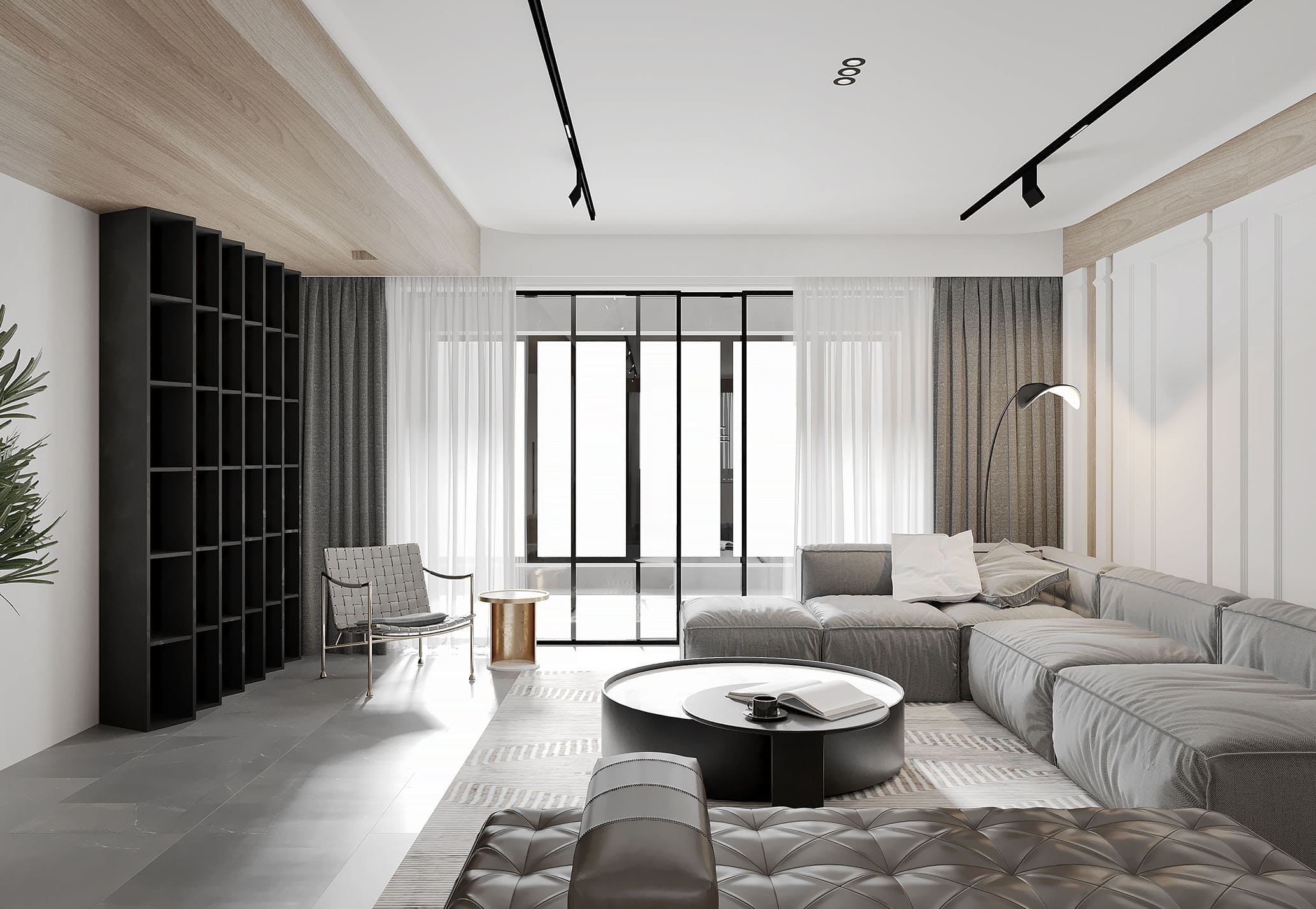
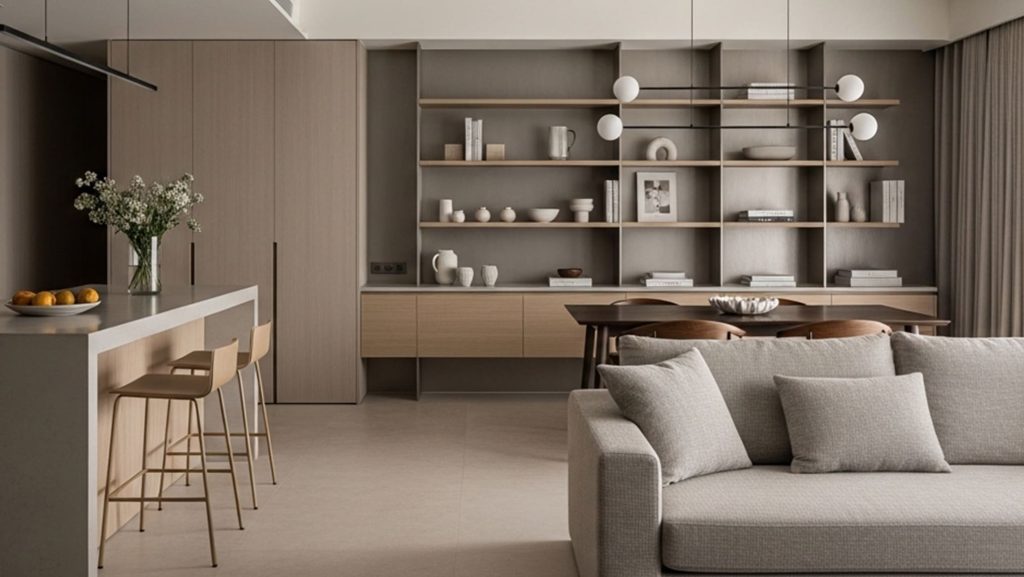
While minimalism has long been a favourite in Singapore homes, 2026 sees a softer, warmer interpretation of this style. Clean lines and uncluttered layouts remain important, but they are now complemented by natural textures, gentle colour palettes, and tactile finishes.
Instead of stark whites, homeowners are embracing warm neutrals such as beige, sand, taupe, and muted greys. Wood grains, stone textures, and fabric finishes add depth and comfort to interiors. This trend reflects a desire for calm, restorative environments—particularly important in a dense urban setting.
Warm minimalism aligns perfectly with modern interior design and renovation goals: simplicity without sterility, elegance without excess, and comfort without compromise.
Sustainability as a Core Design Principle
Sustainability is no longer a bonus feature—it is a fundamental consideration in interior design and renovation. Singapore homeowners in 2026 are increasingly conscious of material choices, energy efficiency, and long-term environmental impact.
Eco-friendly laminates, low-VOC paints, recycled materials, and responsibly sourced wood are now commonly requested during renovations. Beyond materials, sustainable design also involves durability. Homeowners prefer finishes that withstand humidity, heat, and daily wear, reducing the need for frequent replacements.
Energy-efficient lighting, improved ventilation planning, and smart climate control systems further support sustainable living. These choices not only reduce environmental impact but also lower long-term maintenance and energy costs—making sustainability both ethical and practical.
Smart Homes, Seamlessly Integrated
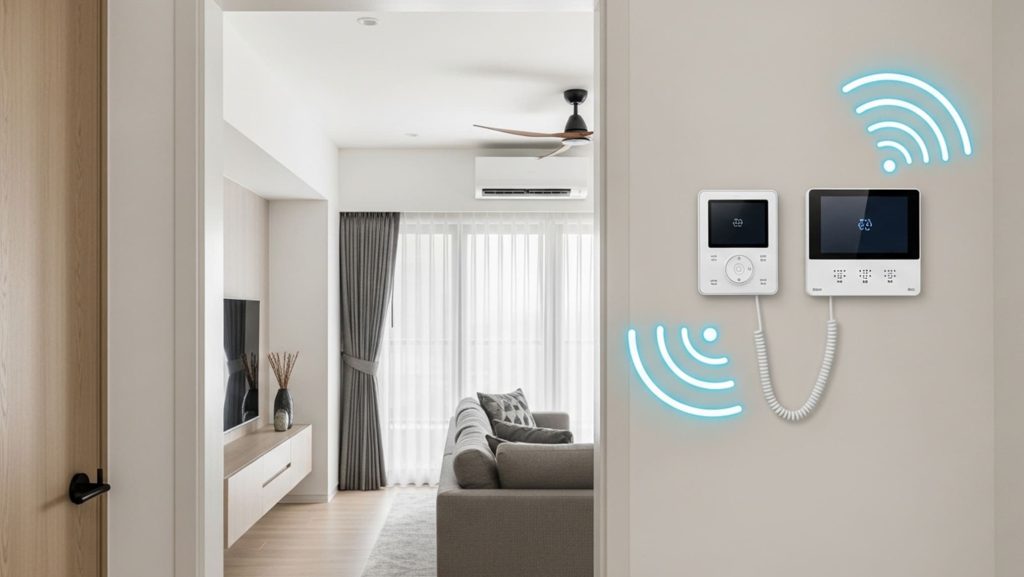
Technology continues to shape interior design and renovation, but in 2026, the emphasis is on subtle integration rather than visual dominance. Smart features are expected to blend seamlessly into the design rather than stand out as futuristic add-ons.
Homeowners are increasingly incorporating automated lighting, smart air-conditioning systems, motorised curtains, and integrated security solutions. What has changed is how these elements are incorporated. Controls are concealed, wiring is hidden, and devices are designed to complement the interior aesthetic.
The goal is convenience without clutter. A well-designed smart home enhances daily routines while maintaining a clean, cohesive visual experience—an important hallmark of modern Singapore interiors.
The Rise of Personalised Design Narratives
Cookie-cutter interiors are quickly losing appeal. In 2026, homeowners are seeking interior design and renovation solutions that tell a personal story. This shift has led to a greater emphasis on bespoke carpentry, customised layouts, and personalised material combinations.
Instead of following trends blindly, homeowners want spaces that reflect their lifestyle, cultural influences, and personal tastes. Custom storage solutions are tailored to individual habits, feature walls showcase meaningful textures or colours, and layouts are planned around how families actually live.
This level of personalisation requires close collaboration between designers and homeowners. Professional designers play a crucial role in translating ideas into functional, visually harmonious spaces.
Kitchen and Bathroom Renovation Trends
Kitchens and bathrooms remain two of the most important areas in interior design and renovation projects. In 2026, kitchens are increasingly designed as social spaces rather than purely functional zones. Open kitchens, integrated dining areas, and concealed storage systems create clean, welcoming environments suitable for entertaining and daily use.
Bathrooms, on the other hand, are becoming personal retreats. Spa-inspired designs featuring textured tiles, soft lighting, and warm colour palettes are gaining popularity. Homeowners are prioritising comfort, durability, and easy maintenance—especially important in Singapore’s humid climate.
These spaces demonstrate how thoughtful renovation enhances both daily routines and long-term satisfaction.
Lighting as a Design Language
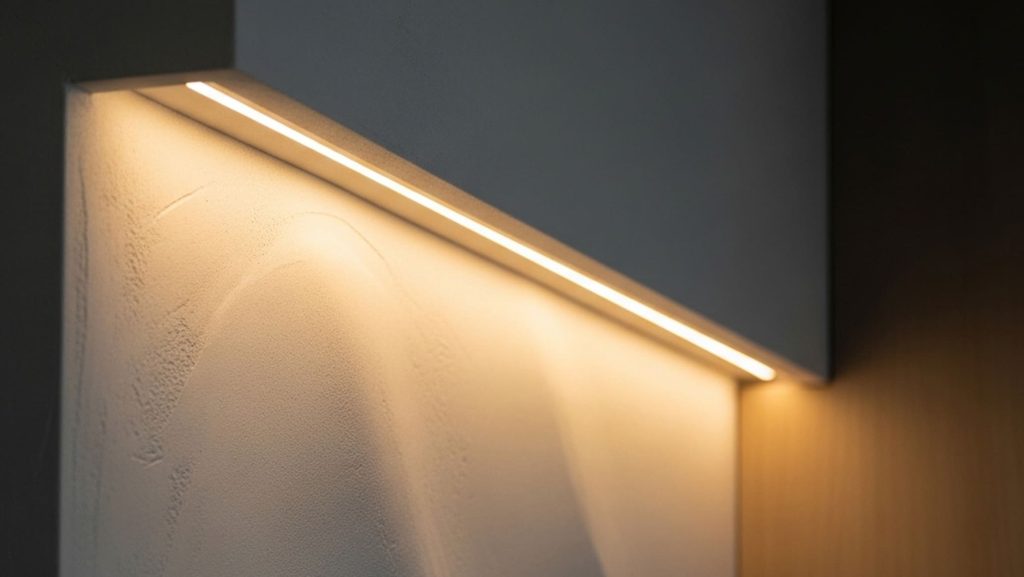
Lighting has evolved into a central design element in modern interior design and renovation. In 2026, layered lighting is essential for creating mood, depth, and functionality within a space.
Ambient lighting provides overall illumination, task lighting supports daily activities, and accent lighting highlights architectural or decorative features. Cove lighting, wall washers, and concealed LED strips are widely used to enhance spatial perception and create a refined atmosphere.
Good lighting design transforms how a home feels at different times of the day, making it one of the most impactful aspects of contemporary renovation projects.
Material Choices That Balance Beauty and Durability
Singapore’s climate plays a significant role in material selection. In 2026, interior design and renovation prioritises materials that are not only visually appealing but also resilient.
Engineered wood, high-quality laminates, sintered stone, and moisture-resistant cabinetry are preferred for their durability and ease of maintenance. These materials ensure that interiors remain elegant despite humidity and daily wear.
Designers are also combining contrasting textures—smooth with rough, matte with gloss—to add visual interest while maintaining balance. The result is interiors that feel rich, layered, and long-lasting.
Learn More : How to Choose the Right Interior Designer in Singapore for Modern Homes
Why Professional Interior Design Matters More Than Ever
With growing complexity in modern homes, professional guidance is essential. Interior design and renovation today involves more than choosing colours or furniture—it requires spatial planning, material expertise, project coordination, and long-term foresight.
Professional designers help homeowners avoid costly mistakes, manage budgets effectively, and ensure that designs remain cohesive from concept to completion. They also act as problem-solvers, addressing site limitations, technical challenges, and regulatory requirements.
For Singapore homeowners in 2026, working with an experienced interior design firm is not a luxury—it is a practical investment in quality, comfort, and peace of mind.
Future-Proofing Singapore Homes Through Design
One of the most important trends in interior design and renovation is future-proofing. Homes are designed to adapt to life changes, whether it is a growing family, ageing in place, or evolving work patterns.
Flexible layouts, modular furniture, and neutral design foundations allow homeowners to update their space without major renovations. This approach ensures longevity and relevance, reducing the need for frequent overhauls.
Future-proof design reflects a deeper understanding of how people live—and how their needs evolve over time.
Conclusion
As Singapore moves into 2026, interior design and renovation continues to evolve in response to lifestyle changes, technological advancement, and sustainability awareness. Homes are becoming more personalised, flexible, and meaningful—designed not just to impress, but to support everyday life.
By embracing thoughtful design principles, quality materials, and professional expertise, homeowners can create spaces that are timeless, functional, and deeply personal. The trends shaping Singapore homes today are not fleeting fashions; they represent a shift towards smarter, more intentional living.
FAQs
Q1. How often should homeowners consider interior renovation in Singapore?
Most homeowners renovate every 8–12 years, depending on wear, lifestyle changes, and evolving needs. Quality interior design and renovation can significantly extend the lifespan of a home’s interior.
Q2. Is sustainable renovation more expensive?
While some eco-friendly materials may have a higher upfront cost, they often offer better durability and lower maintenance, making them cost-effective in the long run.
Q3. How can small Singapore homes benefit from professional interior design?
Professional designers maximise space efficiency, improve storage solutions, and create layouts that make small homes feel larger, more organised, and more comfortable.