

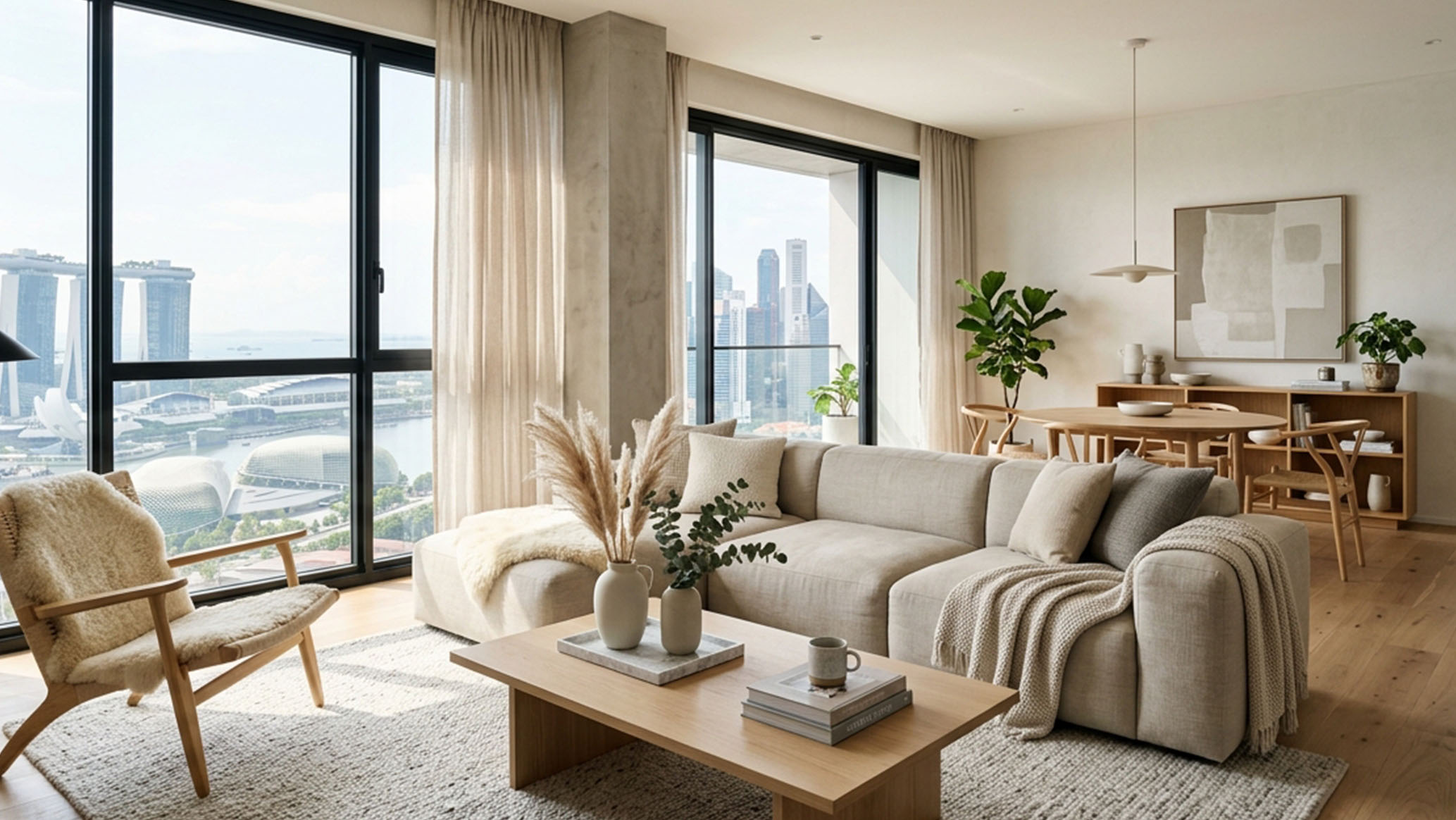
Modern Scandinavian Interior Design: A 2026 Guide
Key Takeaways
- The SGD 6 billion renovation market in Singapore maintains Nordic interior design as its top choice because this design style provides clean lines and functional design elements and creates a tranquil ambiance that matches the requirements of urban homes with limited space.
- The 2026 Scandinavian interior design combines warmer neutral colours with multiple texture elements and environmentally friendly materials, which create more welcoming interior spaces compared to traditional white design.
- The style fits perfectly in HDB flats and condominiums and small offices because it uses light palettes together with built-in storage and open layouts to create space for urban living.
- Singaporean commercial spaces use Scandinavian interior design by using light wood finishes together with modular workstations, acoustic panels and lounge-style breakout zones.
- Nordic interior design provides design options that deliver comfort, visual clarity and daily functional use through both small styling changes and complete space renovations.
Introduction
The contemporary design style of Scandinavian interior design continues to make its impact on Singaporean urban residential spaces through its use of straight design elements and unrefined building materials and its creation of peaceful living spaces.
Homeowners in Singapore, which has a renovation industry that forms part of the construction sector worth SGD 6 billion annually, select Scandinavian design as one of their top three preferred styles for home decoration, together with minimalist and modern design elements. The public maintains a continuous demand for neat, functional, and peaceful interior designs that match the requirements of small urban residential spaces.
Also read: Japandi Interior Design in Singapore For 2026
The 2026 blog post explains the main principles of Nordic interior design, which apply to apartment and condominium spaces while showing the design trends that will become popular in 2023. You will discover urban design solutions which include layout designs, colour scheme selections, light fixture designs, environmentally friendly building materials, and urban styling solutions.
What is Modern Scandinavian Interior Design?
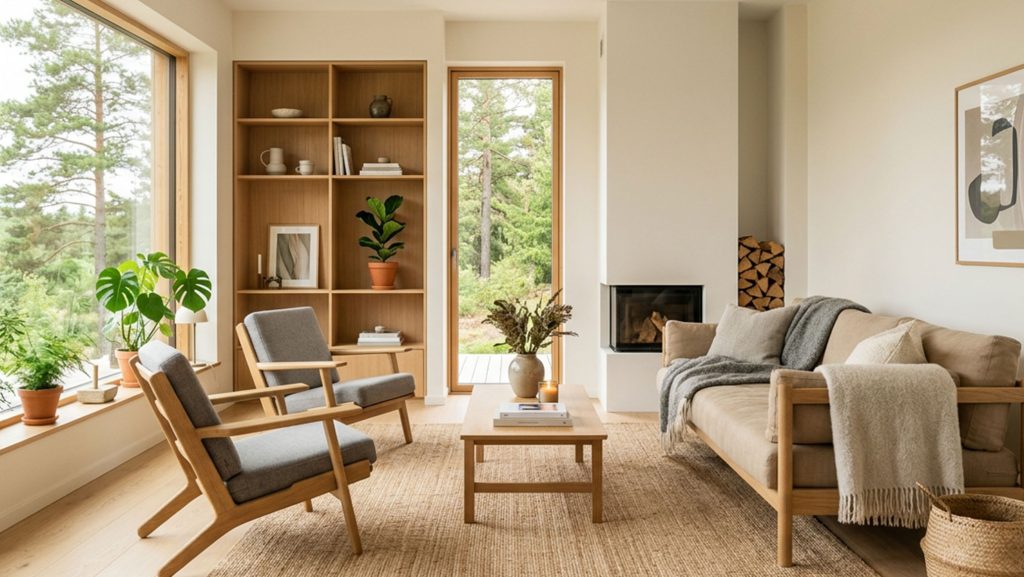
The function of modern Scandinavian interior design establishes its fundamental identity through Nordic design elements, which developed during the early 20th century. The Nordic countries developed their first modern Scandinavian interior design style during the 20th century through their long winter periods and short daylight hours, and their dedication to masterful artistry.
The homes and buildings needed to create spaces that combined bright illumination with warm comfort and practical functionality.
The philosophy rests on three pillars:
- Simplicity in form
- Function before decoration
- A strong connection to nature
The Nordic interior design principles remain intact in 2026, although they undergo minor design alterations. The contemporary spaces now showcase a combination of warm neutral tones and multiple texture layers, which include technology elements designed for current everyday usage.
The open space design, together with light-coloured spaces and functional storage solutions, works effectively for Singapore office spaces, HDB flat residents, and private condominium inhabitants who need to increase their small urban living areas.
The aesthetic origins now established lead to the inquiry about its increasing popularity throughout Singapore’s densely populated city spaces.
How does Scandinavian Design Work in Singapore?
Singapore’s high-density housing and offices create a clear design challenge: limited square footage with a need for comfort and visual calm. Scandinavian-style interior design fits naturally into this context.
Here’s why:
- Light-reflective palettes help smaller units feel open.
- Clutter-free layouts reduce visual noise in compact spaces.
- Built-in storage supports everyday organisation.
- Natural textures soften the sleek surfaces common in modern apartments.
In 2026, Singapore developers will use Nordic interior design to create show flats that attract younger buyers and tenants.
The aesthetic works well for photography and creates an inviting atmosphere during viewings while it suits different unit types, which include studio apartments in the CBD and family units in Tampines or Punggol. The style showcases sustainability through its design, which matches the environmental goals of Singapore’s Green Plan 2030.
The design principles maintain their original form, but the current design methods make minor changes that designers should understand for the upcoming year.
What are the Main Design Elements Shaping 2026?
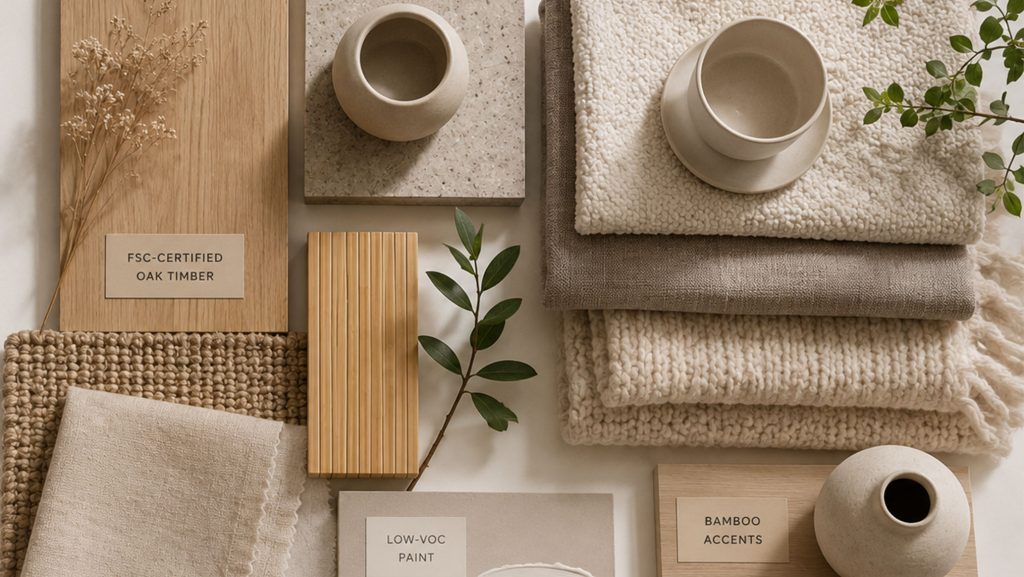
While the foundation remains consistent, several refinements define Nordic interior design this year.
Warmer Neutral Palettes
Pure white walls are gradually giving way to:
- Soft beige
- Warm grey
- Muted clay tones
- Light taupe
These colours create a gentle contrast against oak flooring and pale wood cabinetry, adding depth without visual heaviness.
Textural Layering
Texture plays a bigger role in 2026. Expect to see:
- Linen curtains
- Bouclé sofas
- Wool throws
- Matte ceramics
Texture replaces bold colour as the primary source of interest.
Natural and Low-Impact Materials
Sustainability-minded consumers in Singapore are paying closer attention to materials. Popular choices include:
- FSC-certified timber
- Bamboo accents
- Low-VOC paints
- Recycled stone surfaces
This shift supports healthier indoor air quality, particularly important in air-conditioned apartments.
Discover More: Best TV Feature Wall Design Ideas For Your Home in 2026
Soft Minimalism
Designers have shifted from using extreme minimalism to implementing gentler design methods. The furniture presents itself through its design, which shows both rounded edges and naturalistic shapes. The lighting system uses paper pendants and frosted glass fixtures, which produce soft light that prevents eye discomfort.
The design path refines Nordic interior design to create tranquil spaces that maintain their warm atmosphere. The design path enables businesses to create corporate spaces that extend through all their operational areas.
A Scandinavian Approach for Corporate and Commercial Spaces in 2026
Modern Scandinavian interior design now extends beyond residential spaces to include all types of buildings. The entire city of Singapore has multiple office spaces, cafés, co-working spaces, and retail stores that use this design style to create peaceful, tidy, and friendly environments.
In 2026, companies will choose to create workspaces that enable employees to concentrate while maintaining a friendly appearance. Scandinavian principles of lightness, simplicity, and functionality create a design approach for commercial spaces that need to deliver both operational efficiency and brand visibility.
What are the Main Features in 2026 Commercial Projects?
In Singapore’s CBD and business parks, several design elements are becoming standard:
- Light oak or ash wood finishes in reception areas
- Acoustic wall panels in soft neutral tones
- Modular desks with concealed cable management
- Lounge-style breakout areas with textured fabric seating
- Matte black or brushed steel lighting fixtures
Retail and F&B outlets are also adapting the style. Cafés often use pale wood furniture, white tiled backsplashes, and simple shelving to create relaxed yet photogenic interiors that appeal to younger customers.
Minimalism with Function
Commercial spaces require durability. Designers often select:
- Scratch-resistant laminates instead of solid timber
- Commercial-grade vinyl flooring with wood-grain textures
- Washable matte paints in warm neutrals
Storage remains discreet but accessible, supporting operational efficiency without cluttering visual lines.
In shared offices, Scandinavian layouts encourage both collaboration and privacy. Glass partitions maintain openness while defining zones for meetings and focused work.
To see how these ideas translate into everyday living, consider a recent HDB renovation that brings the concept to life.
A Scandi-Style 4-Room HDB Flat in Clementi
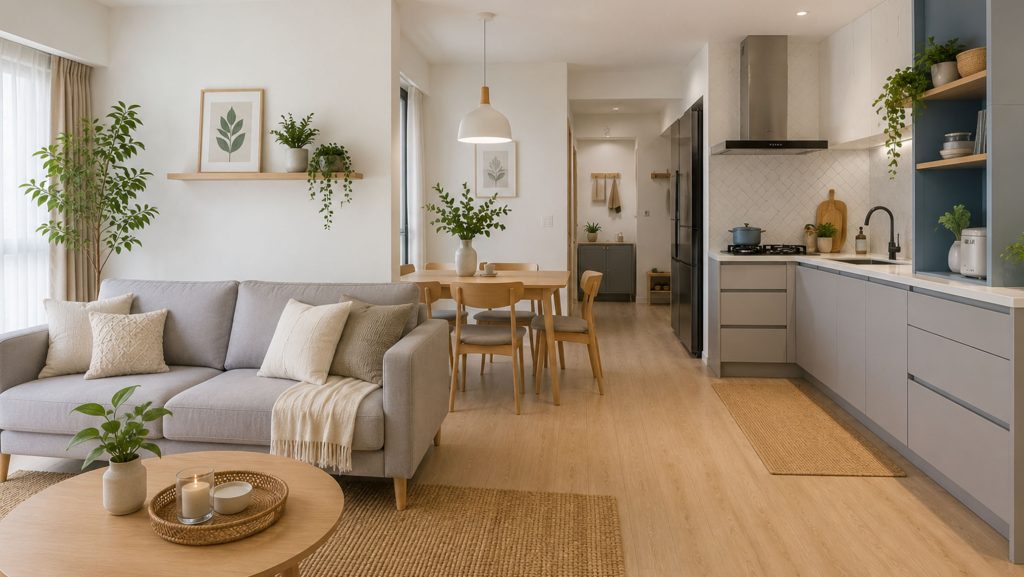
The homeowners from Clementi created a comfortable Scandinavian-style home together with their designer within their 4-room HDB flat. The renovation project began with white walls and light wood-look floors, which served as the foundation for an open and peaceful design throughout the entire space. The team used soft grey furniture together with natural materials like jute and linen and warm wood elements to design a space that supports daily life activities. Greenery was strategically placed throughout the space to create a subtle connection with nature.
White subway tiles in the kitchen create an aesthetic appeal through their herringbone pattern, which delivers a textured effect that complements the kitchen design without making it look too busy. Grey laminate cabinetry maintained a unified appearance through its design, while the blue cabinet element added distinctive character to the kitchen space.
The black metal bars that ran along the backsplash functioned as both storage solutions and display elements, which enabled their users to access items throughout their daily activities. The bathroom used dark floor tiles to establish a balanced design that connected to the tile patterns used throughout the various rooms of the bathroom.
The result:
- The living room space creates a bright and open atmosphere, which maintains a peaceful ambiance that welcomes visitors
- The minimalist colour scheme receives softening effects from both subtle textures and plants
- The kitchen design includes storage solutions that operate as practical functions of the whole space
- All areas of space maintain the same design appearance, which extends from the main living areas to the bathroom spaces
The HDB renovation project in Clementi shows how Singaporeans can use Scandinavian design principles to create interior spaces that prioritise daylighting and comfortable spaces which function effectively in limited urban environments. Homeowners maintain traditional beliefs about this design style, which has become popular among most people.
What are the Misconceptions About the Style?
The perception of Scandinavian design as a sterile white environment exists because some offices and homeowners associate it with that design style. The current practice no longer matches their previous perception of the design style.
-
- Myth 1: It feels cold.
Modern Scandinavian interior design today uses warm wooden materials together with textured fabrics and multiple light sources to create a comfortable atmosphere.
-
- Myth 2: It lacks personality.
The clean backdrop allows personal items, together with books and subtle artwork, to fit naturally within the space.
-
- Myth 3: It only suits large homes.
Nordic interior design actually functions better in compact apartments because its design elements focus on efficient space utilisation.
The style achieves effective city living solutions through its design elements, which include proportion, light and material balance.
A side-by-side contrast of renovation themes provides a useful perspective for people who need to weigh their options.
Scandinavian vs. Industrial
For developers and renovators weighing options, here’s a brief contrast:
| Feature | Scandinavian | Industrial |
|---|---|---|
| Colour Palette | Light neutrals, warm tones | Dark greys, black, exposed finishes |
| Materials | Wood, linen, wool | Steel, concrete, brick |
| Mood | Calm and inviting | Bold and edgy |
| Lighting | Soft, diffused | Exposed bulbs, track lights |
| Suitability for Small Flats | Very suitable | Can feel heavy in compact spaces |
In Singapore’s high-rise units, Scandinavian-style interior design often feels lighter and more adaptable than industrial themes.
For property owners ready to apply these ideas, small and practical adjustments can make a noticeable difference.
Tips for Urban Places
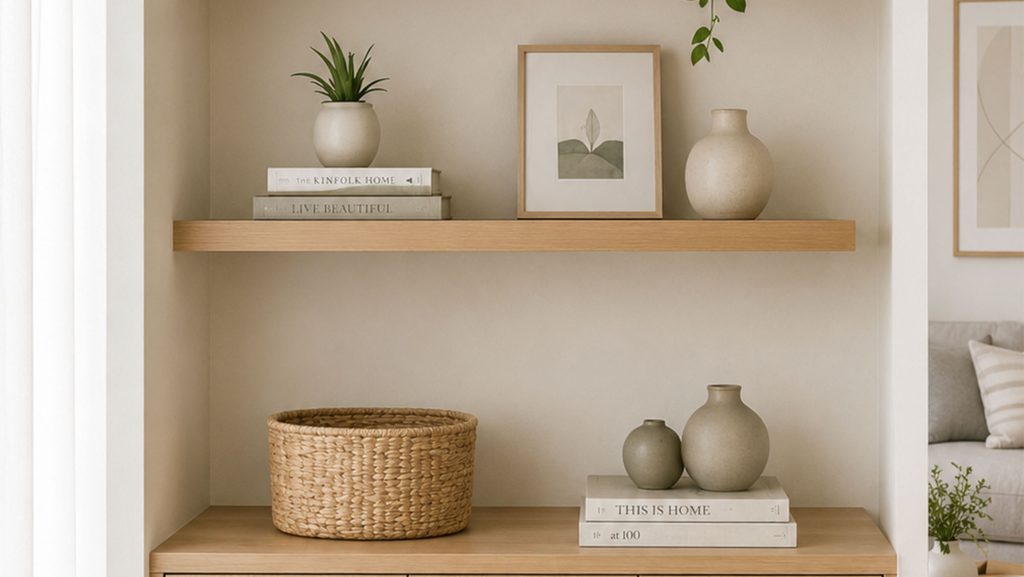
Adopting this style does not require a full renovation. Urban people can start with focused changes.
Prioritise Open Sightlines
Avoid tall partitions unless necessary. In many Singapore HDB units, removing a non-structural wall between the kitchen and the living area creates visual flow.
Choose Multi-Functional Furniture
Look for:
- Storage benches
- Extendable dining tables
- Modular shelving systems
Function remains central to Nordic interior design, especially in smaller layouts.
Increase Natural Light
Use sheer curtains instead of heavy drapes. Place mirrors opposite windows to reflect daylight deeper into the room.
Keep Decor Intentional
Limit decorative objects to a few meaningful pieces—ceramics, framed prints, or indoor plants. Open shelving should feel curated, not crowded.
Conclusion
The design style of modern Scandinavian interiors develops new elements while maintaining its core principles of comfort and practicality. The design solution provides Singaporeans with space solutions through its compact storage system and peaceful visual design, which matches their city-based daily activities.
The use of warmer neutral colours together with textured materials helps interior designers to improve their project work. Rental units designed through Nordic interior design principles will create spaces that developers can use to build their properties. The young professionals in this group can transform their spaces into more hygienic environments through small adjustments, which include changes to their lighting, textiles, and furniture.
As a CaseTrust-RCMA-accredited firm, MJS Interior offers dependable services for homes, offices, and commercial spaces. We handle projects from in-depth consultation to 3D design previews through to project completion while maintaining our commitment to quality workmanship and timely project delivery.
Supported by 20+ years of experience in Singapore’s interior design and renovation industry, our team blends fresh ideas with seasoned expertise to create spaces that balance style and comfort.
Get your personalised quotation today and begin your renovation with a team trusted across Singapore.
FAQs

Q1. What makes Nordic interior design different from minimalism?
Nordic interior design focuses on warmth and comfort alongside simplicity. Minimalism can lean toward stark spaces, while Nordic style prioritises texture, light, and everyday usability.
Q2. Is modern Scandinavian interior design expensive to achieve in Singapore?
It depends on material choices. Solid wood and designer lighting can raise costs, but many elements, neutral paint, simple furniture lines, and open layouts, remain budget-friendly. The style scales well for different renovation budgets.
Q3. Does this style work in humid climates?
Yes. Choose moisture-resistant finishes and proper ventilation. Engineered wood flooring and treated timber furniture perform well in Singapore’s humidity.
Q4. How can property developers use Nordic interior design to attract tenants?
Light palettes and functional layouts appeal strongly to young professionals and expatriates. Show units styled in this approach often photograph well for listings and marketing campaigns.