

Designing a Home That Looks Good Even on Busy Weekdays
Key Takeaway
- Low-maintenance interior design isn’t about stripping a home back to nothing. It’s about choosing materials, layouts, and storage systems that stay presentable without constant effort.
- The homes that look good on a busy Tuesday are the ones where every surface, finish, and storage decision was made with daily life in mind.
- Surface choices matter more than style choices. A matte laminate cabinet stays looking clean far longer than a high-gloss one in a Singapore kitchen.
- Family home design in Singapore that works starts with honest questions about how the household actually lives, not how it plans to live after the renovation.
- MJS Interior’s design-and-build approach maps out household routines before any materials are specified, ensuring the renovation holds up to the way the family genuinely uses each space.
Introduction
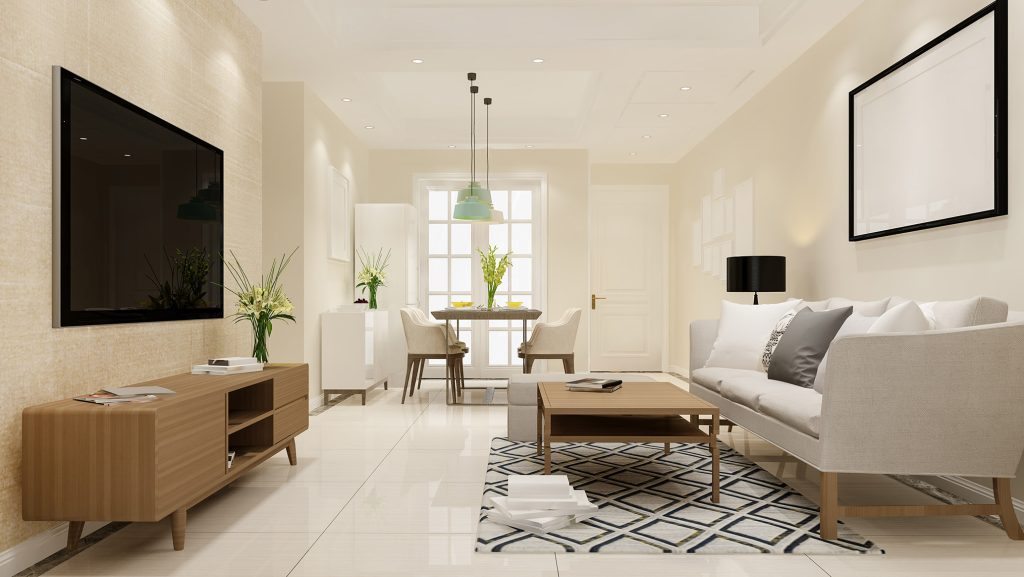
Most Singapore homeowners design for the weekend. The kitchen gets specified around Sunday cooking sessions. The living room is arranged for calm evenings. The home looks exactly right on a lazy Saturday morning, when there’s time to tidy before anyone arrives.
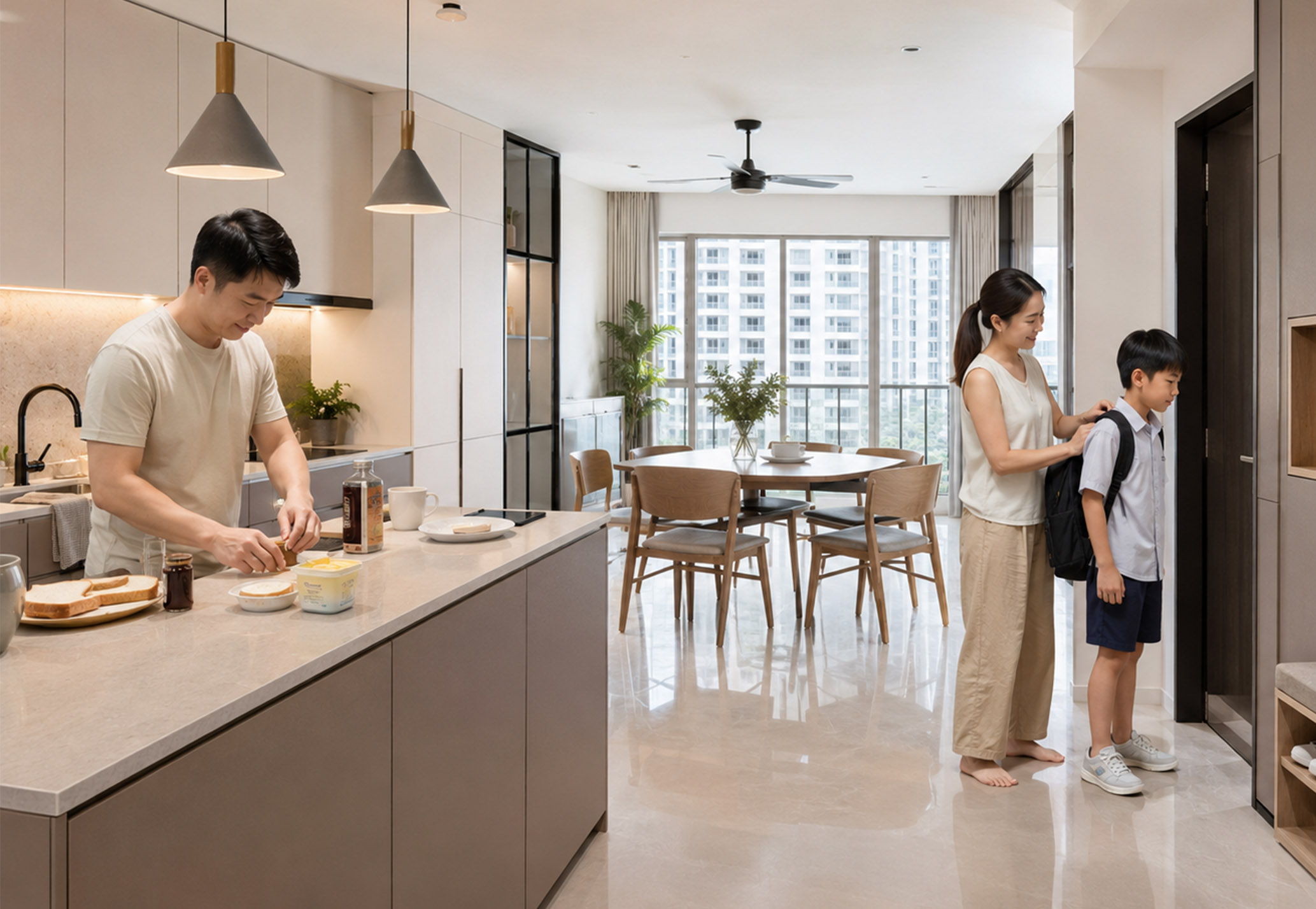
Monday is a different story. School bags at the door. Shoes in the corridor. Breakfast on the counter. A home that looks good even on that kind of morning has been designed around daily life, not around a mood board. That’s the difference a considered renovation makes.
This blog covers the specific decisions that separate a home that holds up on a busy weekday from one that only looks good in photos. Materials, storage, layout, and finish all play a role, and most of the decisions happen at the renovation brief stage, not after.
What Is Low-Maintenance Interior Design?
Low-maintenance interior design refers to a design approach that prioritises materials, surfaces, and spatial layouts that stay presentable with minimal daily effort. Rather than choosing finishes that require regular polishing, careful handling, or constant tidying to look good, this approach selects surfaces that hide everyday wear, storage solutions that make it easy to put things away, and layouts that support the natural flow of a busy household.
A low-maintenance home doesn’t mean a plain one. It means the design works for real daily life, not just for photographs.
Why Most Singapore Homes Are Harder to Maintain Than They Need to Be
The problem usually starts with the finish selection. High-gloss kitchen cabinets photograph beautifully in a showroom. In a Singapore kitchen that’s used daily, every fingerprint, splash, and grease smear shows immediately. The cabinets still look good in the renovation photos. They look exhausted by month three.
The same issue appears in flooring. Light-coloured grout in kitchen or corridor tiling is a common choice that homeowners regret quickly. Grout absorbs stains faster than the surrounding tile, and re-grouting is a significant cost. Large-format tiles with minimal grout lines solve this problem before it starts.
Dark timber surfaces in living areas seem low-maintenance until the dust becomes visible within hours of cleaning. Light-to-mid timber tones in a warm greige range are forgiving because they don’t show either extreme, dust or marks, as readily.
These aren’t expensive corrections. They’re specification decisions that cost the same as their more demanding alternatives. The difference is whether the brief asked the right questions about daily use before materials were selected.
A home that requires constant upkeep to look good hasn’t been designed well. It’s been styled well.
Materials That Work for Practical Home Renovation
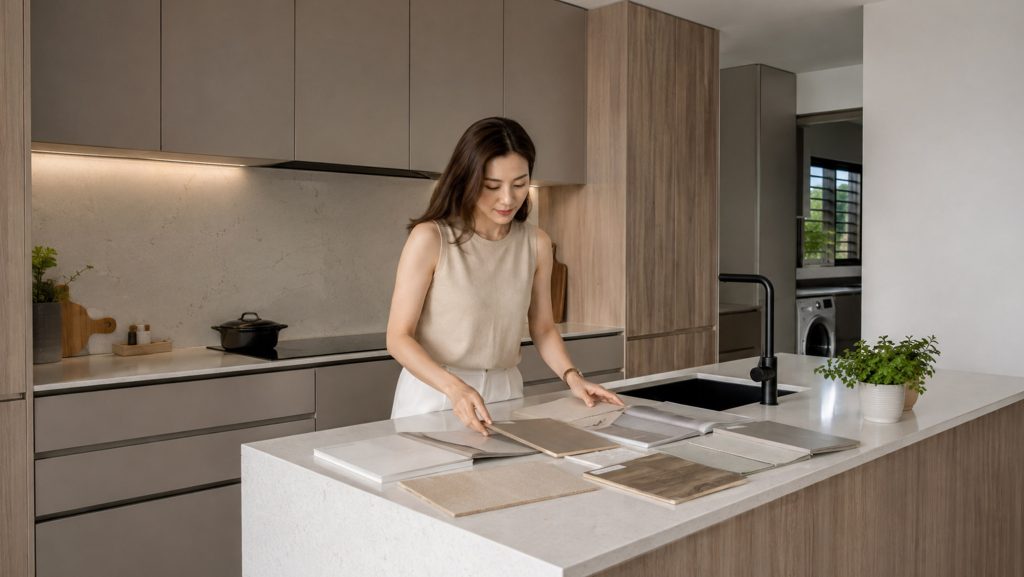
Evaluating each surface means asking how it performs under daily use rather than how it looks in a showroom. A finish that photographs beautifully but shows every mark within weeks of daily use is a specification error. Getting this right before the renovation begins is far cheaper than replacing surfaces later.
Kitchen cabinetry is the most important material decision in a family home. Matte or soft-sheen laminates outperform high-gloss in daily kitchen environments because they don’t show fingerprints, water splashes, or cooking vapour marks. Textured laminates that mimic timber grain perform even better because the surface variation obscures marks that would show on a flat finish. ABS-edged panels resist chipping far longer than foil-wrapped alternatives, which tend to lift at the edges in Singapore’s humidity over time.
Countertops should be evaluated by what happens when someone puts a hot cup on them, spills cooking oil, or leaves water sitting for an hour. Engineered quartz handles all three without staining or marking. Natural marble is beautiful and genuinely high-maintenance. A homeowner who loves marble’s aesthetic but doesn’t want to seal and protect it regularly is better served by a quartz with a marble-look vein pattern.
Flooring in a family home with children carries the highest daily stress of any surface. Large-format porcelain tiles with minimal grout joints in a mid-tone warm grey handle foot traffic, spills, and dropped items reliably. Vinyl plank flooring is a strong alternative in bedrooms and living areas: waterproof, soft underfoot, and available in warm timber looks that suit Singapore’s residential aesthetic. As Apartment Therapy’s 2026 State of Home Design survey of 140 designers found, brunette and darker wood tones dominated designer preferences for cabinetry and flooring, partly because mid-to-dark timber tones wear more gracefully in active homes than their lighter counterparts.
Wall paint in a family home should always use washable finishes in the most-used zones. Eggshell or satin finishes in the kitchen corridor, children’s rooms, and entryways can be wiped clean. Flat paint on these same surfaces absorbs marks permanently. The finish grade is a small upcharge that prevents a full repaint cycle every two years.
The MJS Interior approach to HDB to condo renovation consistently notes that material selection matched to daily use, rather than to aesthetics alone, is what separates renovations that still look good after three years from those that look tired within one.
Storage: The Foundation of a Low-Maintenance Home
A home looks cluttered when objects don’t have a home. The most common cause of a visually busy Singapore flat is not too much stuff. It’s not enough resolved storage for the stuff that exists.
Entryway storage is the first zone to get right. A shoe cabinet that holds the household’s actual shoe count, a hook system at a child’s reach height for school bags, and a surface for keys and wallets all require deliberate specification. Without them, every member of the household creates their own system at the front door, which looks like chaos.
A family home that holds up under daily pressure maps storage by category before any built-in is dimensioned. How many pairs of shoes? Where do school bags go when the children come home? Where does the household keep daily documents? What happens to sports equipment between sessions? Each category needs a specific, accessible location, or it defaults to the nearest horizontal surface. Getting these questions answered before the renovation brief is finalised is what separates storage that works from storage that looks right but doesn’t hold what the household actually owns.
Built-in joinery solves this better than freestanding furniture because it can be configured precisely for the household’s actual storage load. A wardrobe designed around specific categories, hanging lengths, fold heights, and drawer depths holds a household’s belongings in a way that a retail wardrobe with fixed shelves never quite achieves.
For practical approaches to storage integration, the MJS Interior guide to stylish storage solutions covers how built-in storage can resolve everyday clutter zones without making the home feel overly utilitarian.
The quickest way to make a home look better on a busy day is to give every object a place it can go in under five seconds.
Layout Decisions That Reduce Daily Friction
Some homes are harder to keep tidy, not because of what was chosen, but because of how the spaces connect. A kitchen without a clear landing zone for grocery bags means shopping sits on the floor or counter until it’s put away. A corridor without a natural transition zone between the front door and the living area means outdoor shoes, bags, and jackets migrate into the main rooms.
Layout planning for a practical home renovation addresses these friction points before the renovation starts. A dedicated drop zone at the entryway, even a narrow 30cm alcove with hooks above and a low shelf below, prevents the front-door pile from forming. A kitchen island or peninsula with a clear landing surface keeps shopping, lunchboxes, and homework from accumulating on the dining table.
Children’s bedrooms benefit most from layout planning because the friction points are predictable. A study desk positioned against the wall opposite the wardrobe keeps school materials in one zone. A dedicated shelf at desk height for books and stationery keeps the desk surface clear. A chair hook or peg rail at child height for school bags means the floor stays clear without requiring the child to reach adult storage. These aren’t complex interventions. They require the designer to ask where things typically land before specifying where storage will go.
MJS Interior’s design brief process, described in detail in the lifestyle-first design guide, starts with exactly this kind of friction mapping. Identifying where the household’s daily problems occur shapes every layout and storage decision that follows.
Does Your Singapore Home Work for Busy Weekdays?

A home that stays presentable without constant effort suits any Singapore household that spends more time living than tidying. It’s most relevant for families with children, dual-income households with limited time for upkeep, and anyone who has experienced renovation regret because their previous home looked better in photos than in daily life. The right decisions at the brief stage make the difference, and most of them cost no more than the alternatives that cause problems later.
The right materials, the right storage, and the right layout all serve the same purpose: making it easy for the home to look good with the minimum effort required from the household. None of these decisions requires a premium budget. They require honest questions asked early in the renovation process, before the brief closes and the contractor quotes.
Frequently Asked Questions
1. What makes an interior design approach “low-maintenance” in a Singapore home?
Low-maintenance interior design means choosing surfaces, finishes, and storage systems that stay presentable under daily household use without constant cleaning or tidying. In Singapore’s context, this includes matte kitchen laminates that don’t show fingerprints, washable wall paint in high-traffic zones, storage configured for the household’s actual belongings, and flooring that hides everyday wear.
2. Which flooring works best for family homes in Singapore?
Large-format porcelain tiles with minimal grout lines are the most durable and easiest-to-clean option for kitchens, corridors, and wet areas. Vinyl plank flooring in a mid-tone warm timber look is a strong, practical choice for living areas and bedrooms: it’s waterproof, scratch-resistant, and noticeably softer underfoot than tile. Both outperform natural wood in Singapore’s humidity for daily maintenance.
3. How do I prevent my Singapore home from looking cluttered after the renovation?
Clutter accumulates where objects don’t have a resolved storage location. Before specifying any built-in, map the household’s daily-use categories: shoes, bags, documents, children’s items, sports equipment. Configure storage around those categories rather than around available space. A home with correctly dimensioned built-ins holds daily life in a way that keeps surfaces clear without constant effort.
4. Does a practical, durable renovation need to sacrifice style?
No. The most durable materials in Singapore residential renovations, matte laminates, engineered quartz, mid-tone vinyl plank, and large-format porcelain, are all available in finishes that suit calm, contemporary aesthetics. The misconception is that practical means plain. A matte stone-look kitchen with mid-tone timber laminate cabinetry is both low-maintenance and visually considered.
5. How does MJS Interior approach maintenance in the design brief?
MJS Interior maps how the household lives before any material or layout is specified. This includes identifying high-traffic zones, understanding daily habits and storage needs, and selecting surfaces that perform well in those specific conditions. The goal is a home that looks good not just at handover, but on an ordinary busy weekday. Explore MJS Interior’s full range of interior design and renovation services to see how this process works.
A home designed for real life doesn’t require daily effort to look good and feel settled at the end of a long day. The materials resist everyday wear. The storage resolves exactly where things go. The layout reduces the friction that turns a busy school morning into a visible mess. Getting those decisions right happens at the brief stage, well before a single tile is ordered or a cabinet dimensioned. For Singapore families planning a renovation and wanting a home that holds up across a full working week, MJS Interior’s 20-year track record in family home design in Singapore provides exactly that starting point.